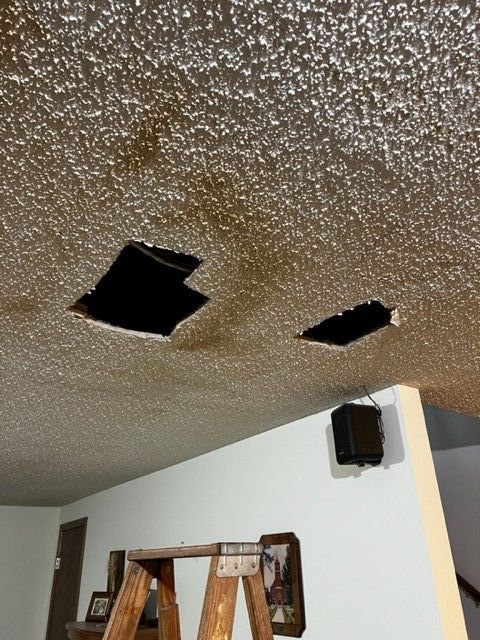
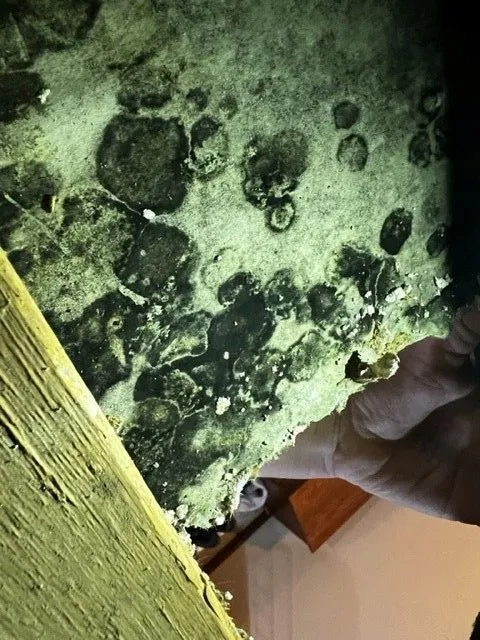
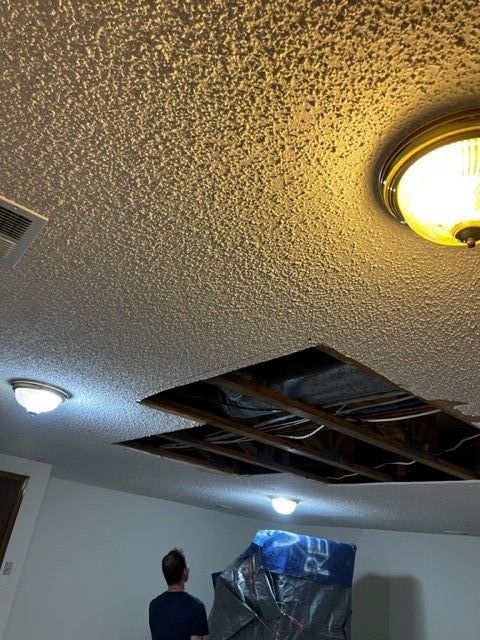
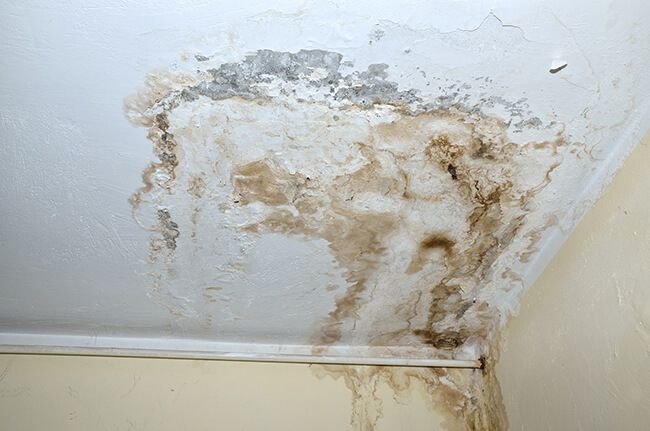
1. What is the process for professional mold remediation?
Professional mold remediation includes:
- Inspection and mold testing to identify affected areas and moisture sources
- Containment to prevent mold spread
- HEPA vacuuming and air scrubbing to remove airborne spores
- Mold removal and surface cleaning using antimicrobial solutions
- Final testing and prevention planning to stop future growth
2. How long does mold remediation take?
Mold remediation can take anywhere from a few hours to several days, depending on the size of the infestation, material damage, and moisture levels. Severe cases may require structural repairs.
3. Is mold dangerous to my health?
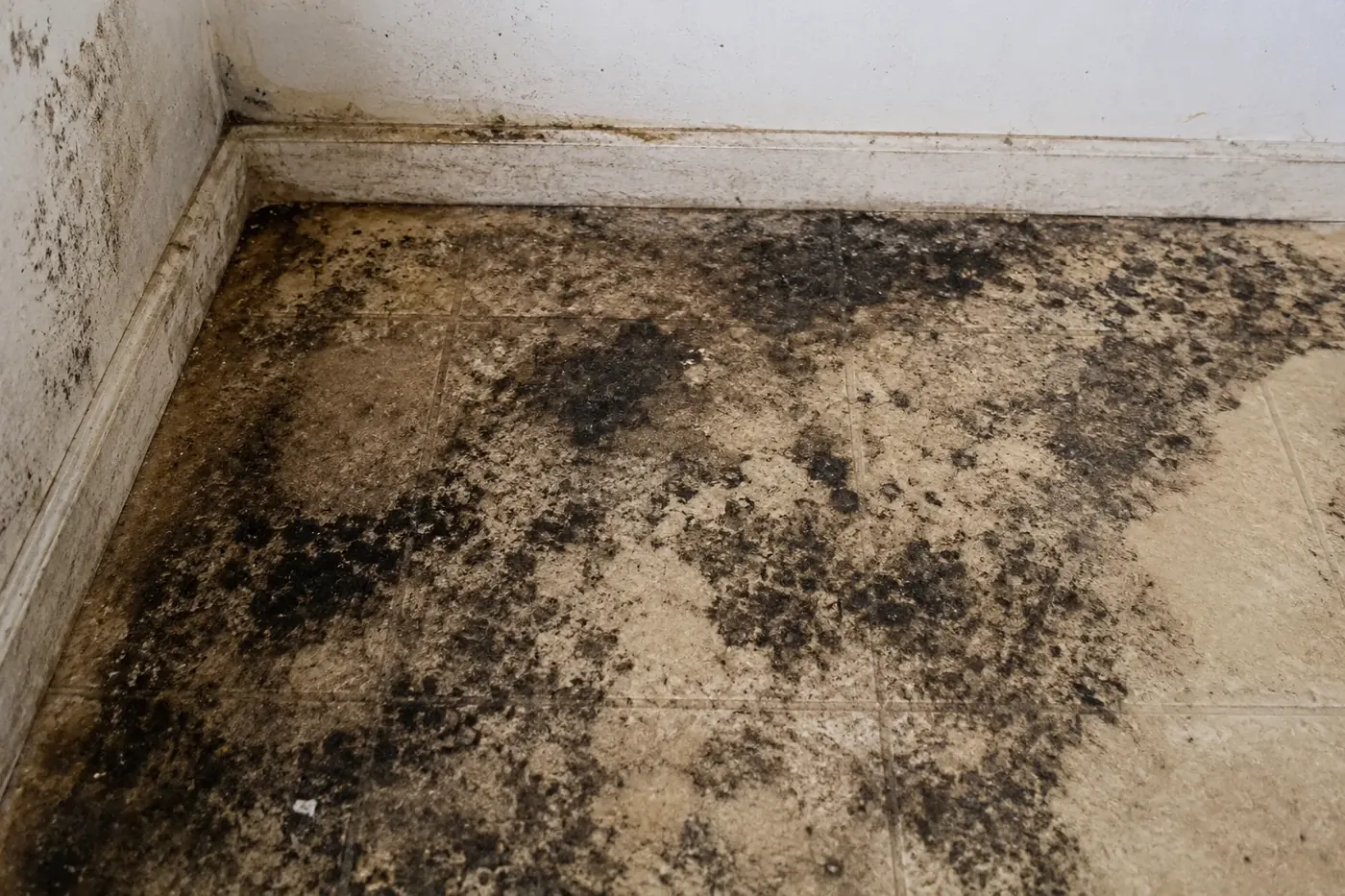
Yes. Certain types of mold, like black mold (Stachybotrys chartarum), can release mycotoxins that may cause respiratory issues, allergic reactions, headaches, and fatigue. Mold exposure is especially risky for children, seniors, and those with asthma.
4. Can I remove mold myself, or should I hire a professional?
Small surface mold can sometimes be cleaned with household products, but hidden or recurring mold requires professional removal. Improper DIY cleanup can spread spores and worsen the damage.
5. How can I prevent mold from coming back after remediation?
To prevent mold from coming back after remediation:
- Fix leaks and eliminate moisture sources
- Use dehumidifiers to keep humidity below 60%
- Improve ventilation in kitchens, bathrooms, and basements
- Schedule routine HVAC and duct inspections
6. What does mold remediation cost?
Mold remediation starts at $1,900. Mold inspections to assess whether mold is present start at $150. Discounts are available when you combine mold remediation with other services. Cost depends on square footage, location (attic, crawlspace, basement, or walls), material removal, containment, air scrubbing, post-remediation testing, and insurance coverage. Contact Vortex for a free estimate based on the affected areas and required work.