
The Short Answer
Mold remediation with Vortex in Wichita starts at a $1,900 minimum. Mold testing costs $150. Your remediation quote depends on the affected area, access, materials, containment, equipment, drying, and repairs. Testing and cleanup serve different purposes, so ask which services are included in your written estimate before scheduling.
A mark on a basement wall does not tell you the full cost of cleanup. Moisture, material condition, and access help determine the work.
We share our minimum upfront so you can decide whether professional remediation fits your needs and budget before arranging the work.
Vortex Mold Remediation and Testing Prices
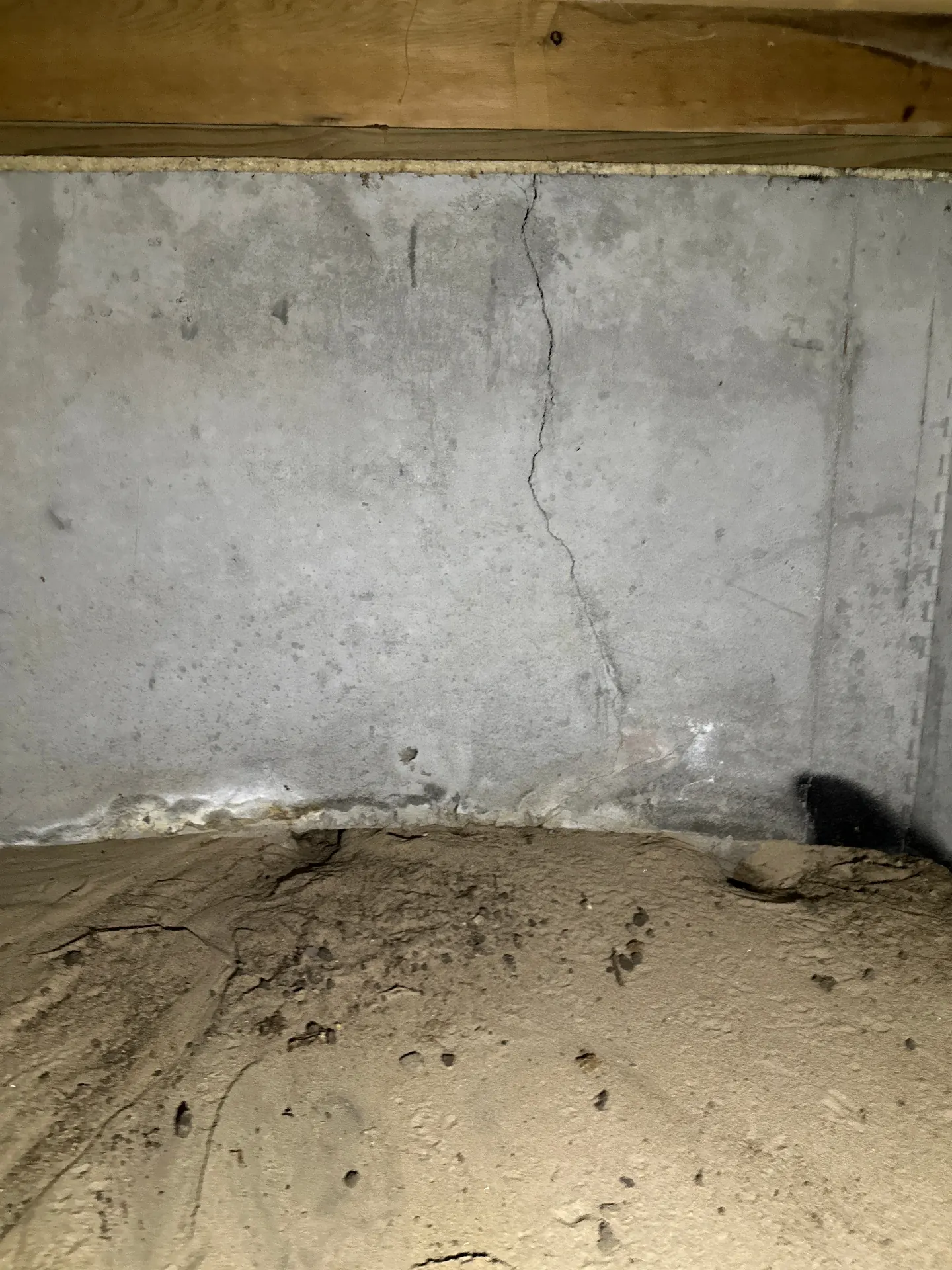
| Service | Vortex price | What to know |
|---|---|---|
| Mold remediation | $1,900 minimum | Starting minimum for professional remediation, with final pricing based on the approved scope. |
| Mold testing | $150 | Testing is different from removing mold or repairing damage. Confirm the testing scope when booking. |
| Repairs and other work | Quoted for the property | Ask whether drying, leak repair, reconstruction, or other services are included or separate. |
The $1,900 minimum is a starting point. Several affected rooms or damaged building materials can require more work.
Ask whether testing would answer a useful question for your situation.
What Goes Into a Mold Remediation Quote?
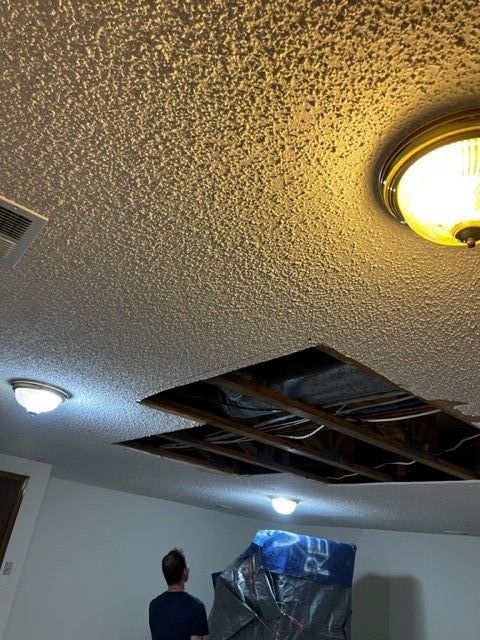
A quote should describe the conditions found and the work proposed. These are the main items that can affect the total, although every project will not need every service.
| Quote factor | What the estimator considers |
|---|---|
| Affected area | Number of rooms, surfaces involved, and measured extent of growth. |
| Hidden damage | Whether walls, flooring, cabinets, or other assemblies need further investigation. |
| Location and access | Basements, attics, crawl spaces, ceilings, tight openings, and equipment access. |
| Materials | Whether drywall, insulation, carpet, framing, or other materials can be cleaned or need removal. |
| Containment | Barriers, protected work areas, entry arrangements, and measures to limit dust movement. |
| Filtration and equipment | HEPA filtration or negative-air equipment where appropriate, plus setup and operating time. |
| Cleaning methods | Surface cleaning, HEPA vacuuming, and any appropriate treatment specified in the plan. |
| Moisture and drying | Moisture assessment, dehumidification, monitoring, and drying work when needed. |
| Labor | Crew size, work hours, setup, cleanup, and repeat visits required by the scope. |
| Contents | Moving, protecting, cleaning, or disposing of affected belongings. |
| Debris handling | Packaging, removal routes, hauling, and disposal of removed materials. |
| HVAC involvement | Whether the heating, cooling, or duct system needs separate assessment or work. |
| Testing and verification | Any agreed sampling, reports, completion review, or independent assessment. |
| Repairs and build-back | Replacement drywall, insulation, flooring, trim, paint, or other reconstruction. |
| Project conditions | Travel, occupied spaces, scheduling restrictions, and specialist work if needed. |
Your quote should identify inclusions, exclusions, and the approval process for additional findings. Ask for quantities and equipment duration where those affect pricing.
Why Two Mold Cleanup Quotes Can Be Different
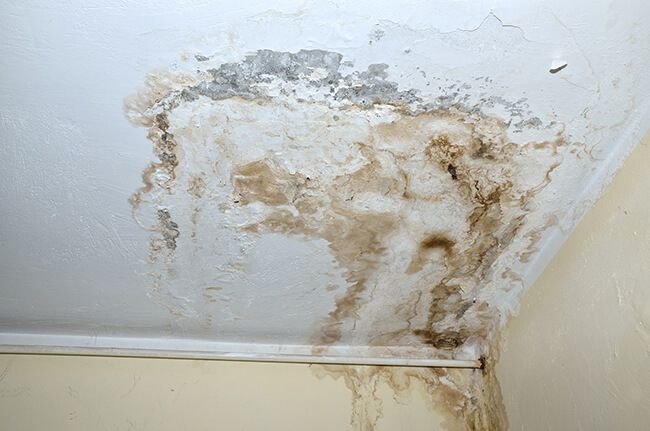
Two companies may look at the same room and propose different work. One estimate might include removing affected drywall and cleaning the exposed area. Another might cover only a surface treatment.
Compare the plan before comparing the totals.
Surface cleaning versus material removal
Some materials can be cleaned, while others may need replacement. The EPA's home mold cleanup guidance notes that moldy absorbent materials, such as carpet and ceiling tiles, may need disposal.
Ask which materials the company expects to retain and which it expects to remove. Those choices affect both cleanup costs and the repairs afterward.
Equipment, protection, and time
Containment setup, equipment operation, protective measures, and final cleaning are part of the work to compare. Ask which measures your project needs.
A clear process for hidden findings
Ask what happens if opening a wall reveals more affected material. Your agreement should explain how the finding will be documented, how a revised price will be communicated, and when you can approve the additional work.
A useful mold quote explains what you are paying for, what it leaves out, and what happens if more damage is found.
Does the Location of the Mold Change the Price?
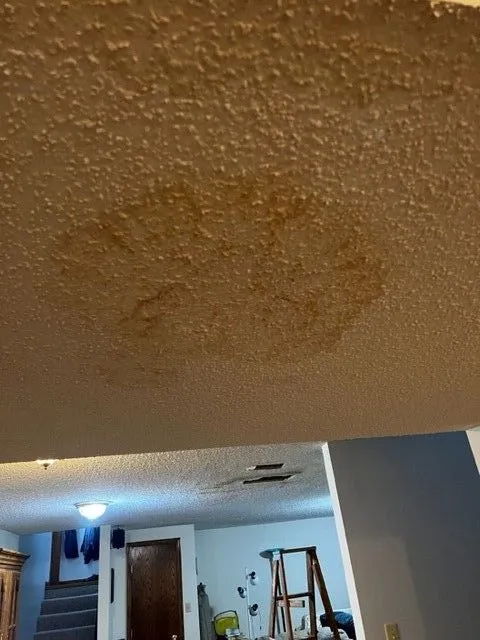
Access can change the labor and setup required even when the visible affected area looks similar.
Basement and crawl-space mold
Stored belongings, low clearance, exposed framing, or restricted entry can affect how a crew reaches the work. Moisture conditions also need attention before repairs close the area back up.
Attic and ceiling mold
Roof geometry, overhead work, insulation, and limited walking space can affect the scope. Ask whether moving or replacing insulation is included and who will handle any related roof or ventilation repair.
Mold behind walls or beneath flooring
Opening assemblies, removing damaged materials, and rebuilding afterward can add to the scope.
Describe the location when you call. Photos may help, but may not show the full affected area.
What Does the $150 Mold Testing Cover?
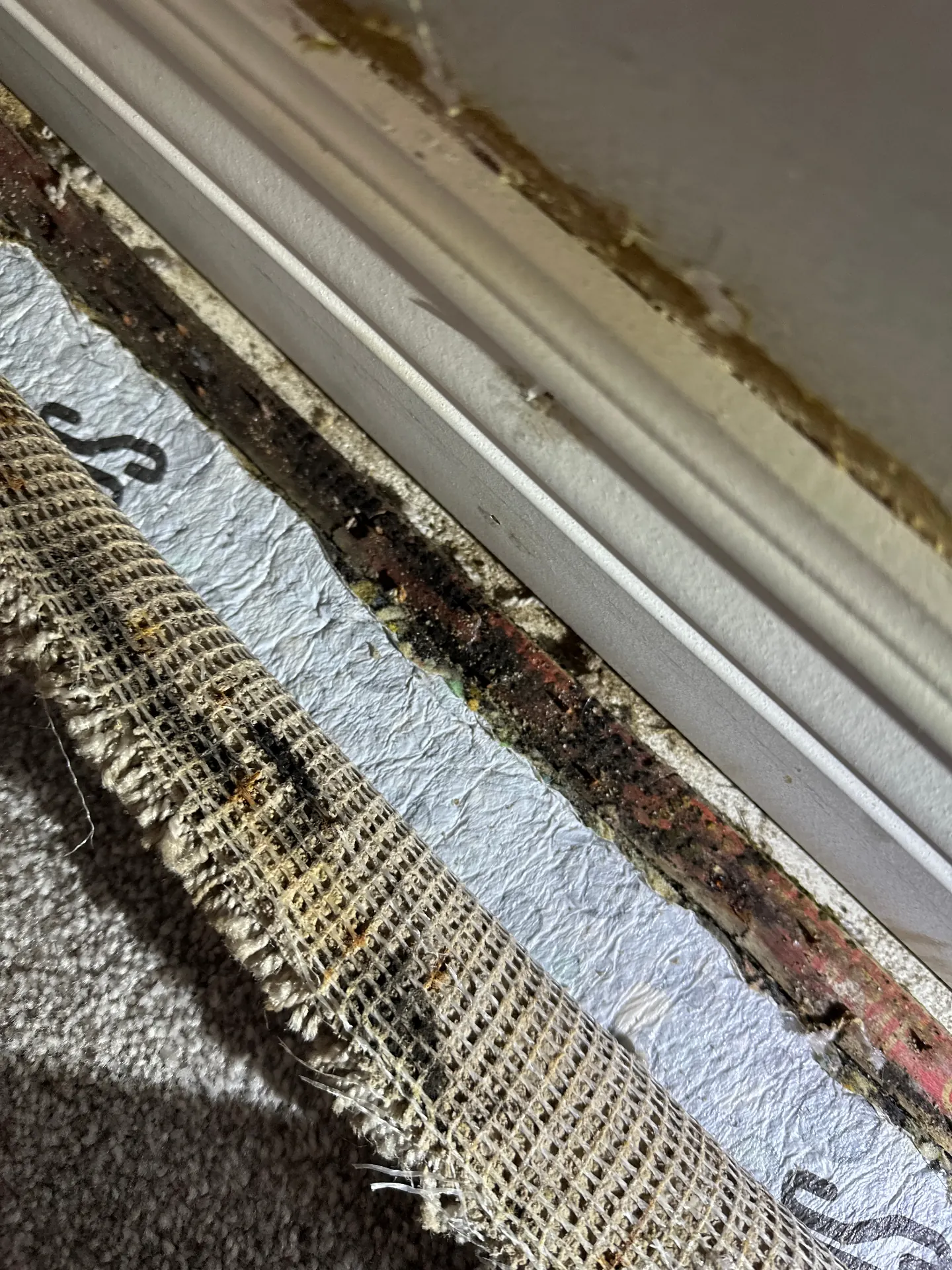
Vortex's mold testing costs $150. Before booking, ask what method will be used, what areas or samples are included, whether any laboratory analysis is part of the service, and what findings you will receive.
An inspection evaluates the property and moisture conditions. Testing answers a more specific sampling question. Neither service by itself removes affected material or repairs the moisture source.
The EPA explains that sampling is usually unnecessary when mold growth is visible. It also notes that there are no federal limits for airborne mold concentrations that a sample could use to certify a home as meeting a federal mold standard.
For visible growth, persistent odor, or a requirement from another party, discuss the next step through our mold inspection service.
Are Moisture Repair, Drying, and Reconstruction Included?
These items should be addressed in the estimate, but they are not automatically included in the $1,900 minimum.
Correcting the source of moisture
A plumbing leak, water entry, or humidity issue needs an appropriate correction plan. The EPA's mold remediation guide identifies moisture control as central to controlling indoor mold growth.
Confirm who handles the repair and when. Specialist work may require a separate agreement.
Drying and monitoring
If materials remain wet, the quote may need drying equipment and monitoring. Ask how equipment time is priced and how the team determines that the planned drying work is complete.
For properties with recent leaks or flooding, Vortex also provides water damage restoration.
Replacing removed materials
Vortex offers restoration work. Your scope should specify whether replacing removed materials is included or quoted separately.
The same applies to belongings and any HVAC work. If hazardous building materials are suspected, ask whether specialist assessment is needed before disturbing them.
What Should You Ask Before Approving the Estimate?
Use these questions to clarify the agreement:
- Which areas and materials will be cleaned or removed, and how will belongings be protected?
- Are testing, drying, equipment time, disposal, moisture repairs, and reconstruction included or separate?
- How will completion be reviewed, and how will you approve any change in scope or price?
The EPA's remediation planning guidance addresses assessing the problem, selecting protective measures, and revising the plan when new conditions are found.
Share the address, affected rooms, approximate extent, leak history, access restrictions, and any third-party testing requirements before the appointment.
When Should You Request Professional Mold Remediation?
Professional assessment is worth considering when the growth is extensive, appears hidden, keeps returning, or involves difficult access. Explain any recent water damage when arranging help.
The EPA says that in many cases a moldy area smaller than about 10 square feet can be handled by the homeowner, with exceptions such as significant water damage, contaminated water, or suspected HVAC involvement. Review the agency's guidance and your circumstances before attempting cleanup.
For professional work, Vortex's remediation minimum is $1,900. We will discuss your property's needs.
Request a Mold Remediation Quote in Wichita

Vortex serves Wichita, Derby, and surrounding communities with mold assessment, remediation, and restoration services.
Mold remediation starts at a $1,900 minimum. Mold testing costs $150. Tell us where the problem is, how long you have noticed it, and whether the moisture issue has been addressed.
Request a mold remediation quote, or learn about our mold remediation services in Wichita.
Frequently Asked Questions
How much does mold remediation cost in Wichita, KS?
Vortex's mold remediation starts at a $1,900 minimum. The final quote depends on the affected area, materials, access, containment, equipment, drying, and any other work included in the scope.
How much does mold testing cost?
Mold testing with Vortex costs $150. Confirm the testing method, included samples or areas, and reporting details when booking, because testing is different from remediation.
Is mold testing always needed before remediation?
No. EPA guidance says sampling is usually unnecessary when mold growth is visible, although testing may answer a specific question for a particular project.
Does the $1,900 minimum include repairs?
Do not assume replacement drywall, flooring, paint, or moisture-source repairs are included. Your written estimate should identify whether reconstruction and related repairs are part of the remediation agreement or quoted separately.
Why can a small mold problem cost more than the minimum?
Access, hidden affected materials, containment, equipment, and removal work can make a small visible patch a larger project. A quote needs to reflect the work required rather than the appearance of the surface alone.
Will air duct cleaning fix a mold problem in a wall or basement?
Air duct cleaning does not replace remediation of affected building materials or correction of the moisture source. HVAC or duct work should be considered separately when assessment finds a reason to include it.
