
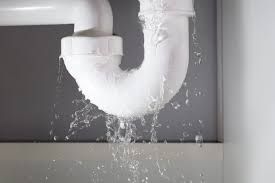
24/7 Burst & Frozen Pipe Cleanup
Burst & Frozen Pipe Water Damage in Wichita
Shut off your home's main water supply if you can reach it safely, keep everyone away from electrical hazards, and call for plumbing repair and professional water extraction. Photograph the damage from a dry location and notify your insurer. Do not enter flooded rooms or assume a dry-looking floor means hidden materials are dry.
and Surrounding Areas
Vortex Air Duct Cleaning & Restoration serves Wichita, Derby, and Sedgwick County with 24/7 emergency water response and a 1-hour response in Sedgwick County. Our IICRC-certified team helps you move from water removal to drying and repairs.





How do you safely shut off water after a pipe bursts?
The main shut-off valve stops incoming water to most household supply lines. Its location varies by home, so use your home's known valve location rather than searching through standing water. If a small fixture valve is accessible and clearly controls the damaged line, it may help isolate that fixture while you arrange a plumber.
If the valve is stuck, inaccessible, or does not stop the flow, tell the plumber or water utility. Leave electrical isolation to a qualified professional when access is unsafe. Stay out from beneath bulging ceilings, and contact emergency services for immediate electrical danger or another life-safety emergency. Stopping the water does not remove the damage already inside the home.
What belongs on your first-hour checklist?
Focus on safety, stopping the source, and getting help. A supply-line break may begin with clean water, but contact with building materials or contaminants can change the cleanup requirements. Explain what happened rather than assuming every puddle can be handled the same way.
- 01Keep children and pets out of affected rooms. Avoid water near outlets, appliances, or electrical panels.
- 02Close the home's main water valve if you can reach it safely. Do not force a stuck valve or enter a flooded space to reach it.
- 03Arrange emergency plumbing repair and professional water extraction. Tell the response team if water is still flowing.
- 04Photograph affected rooms and belongings from a safe, dry location. Record when you discovered the leak and what you did next.
- 05Notify your insurer and keep receipts. Ask about emergency mitigation rather than waiting for an adjuster before seeking help.
- 06Move dry, accessible belongings away from the leak only when safe. Do not use a household vacuum or start opening wet walls yourself.
Why do Kansas cold snaps cause frozen and burst pipes?
Water expands as it freezes. Ice can block a pipe and create pressure in the remaining water, causing a weak section to split. Pipes near exterior walls, in unheated crawlspaces, or beside cold drafts are vulnerable. A break may become obvious only when thawing allows water to flow through the damaged section.
Have a plumber evaluate exposed piping, insulation, and draft-prone areas before the next cold spell. Follow their guidance on maintaining heat and protecting vulnerable lines, especially when the home is vacant. Never use an open flame to thaw plumbing. Reduced flow during freezing weather is a reason to investigate safely, not proof that the pipe is intact.
How do we extract the water and dry your home?
Plumbing repair stops the source; restoration addresses the wet property. Our water damage restoration services combine extraction, structural drying, and planning for repairs. Each step follows the conditions we find in your home.
01
Inspect and map moisture
We assess affected rooms and check materials along the water's path. Moisture readings help identify wet flooring, baseboards, walls, and ceilings that may look normal from the outside. We explain the proposed scope before cleanup begins.
02
Extract standing water
Professional extraction removes standing water and excess moisture from suitable surfaces. The method depends on the depth, flooring, access, and contamination involved. We coordinate around the plumber's source repair so water does not immediately refill the area.
03
Dry and monitor
Air movers and dehumidifiers support controlled drying after extraction. Some materials need removal to expose trapped moisture or because they cannot be restored. We take follow-up readings and adjust the drying plan based on conditions, not simply how the room feels.
04
Plan repairs
Once drying is verified, we discuss repair needs and the transition to rebuilding. The goal is to restore affected finishes without concealing damp materials. We document the mitigation work so you can discuss the scope with your insurance adjuster.
Could water be hiding inside walls and ceilings?
Water follows openings around pipes, framing, and flooring seams. A leak upstairs can affect a ceiling below, while a wall leak can soak insulation without leaving a large puddle. Staining, swelling, soft drywall, and musty odors deserve attention, but hidden moisture can also exist without those signs.
Do not paint over stains or close an opened wall before drying is checked. We explain which materials can remain and which need removal. After mitigation, our drywall installation and repair services can address damaged finishes. Vortex holds GC license #11467, supporting the transition from cleanup to reconstruction.
Does insurance cover the loss, and what should you document?
Sudden, accidental water damage may be covered, but policy wording and the circumstances matter. Frozen-pipe claims can involve requirements to maintain heat or protect the property. Long-term leakage, neglected maintenance, and the pipe repair itself may be treated differently from resulting water damage. Your insurer determines coverage; working with insurance is not a guarantee of payment.
Save photographs, the discovery time, plumber findings, damaged-item notes, and mitigation receipts. Ask your adjuster what records they need and how to handle damaged belongings before disposal when safe. Vortex works with all insurance companies and documents restoration work. Request a free estimate so you understand the proposed scope and can discuss your deductible and coverage with the insurer.
Frequently Asked Questions
What should I do first when a pipe bursts?
Keep away from electrical hazards and shut off the main water supply if the valve is safely accessible. Arrange plumbing repair and professional extraction, then document the damage and notify your insurer. Do not enter a flooded area just to reach a valve or electrical panel.
How quickly can Vortex respond to a burst pipe?
Vortex provides 24/7 emergency water response with a 1-hour response in Sedgwick County, including Wichita and Derby. Tell the team whether the water is shut off, which rooms are affected, and whether access or electrical hazards are present.
Will homeowners insurance cover frozen pipe water damage?
Coverage depends on your policy, the cause of the loss, exclusions, and any duties to maintain heat or protect the property. A deductible may apply. Vortex works with all insurance companies, but your insurer determines coverage and payment.
Can walls and ceilings be wet even after the floor looks dry?
Yes. Water can soak insulation, collect above ceilings, and move behind baseboards or under flooring. Moisture checks help identify hidden wet areas. Dry-looking paint or a dry surface alone does not show that the materials underneath are ready for repairs.
How long does burst pipe cleanup take?
The schedule depends on how much water escaped, how long it sat, the materials affected, and access to trapped moisture. Extraction, drying, and rebuilding are separate stages. We explain the expected scope after inspection and update you as moisture readings show progress.
Contact our team for air duct cleaning, dryer vent cleaning, mold remediation, water damage and remodeling.
Call 316-710-6382Serving Derby, KS and surrounding areas
Request A Quote
Ready to get started? Give us a call or fill out the information below to request a quote.
